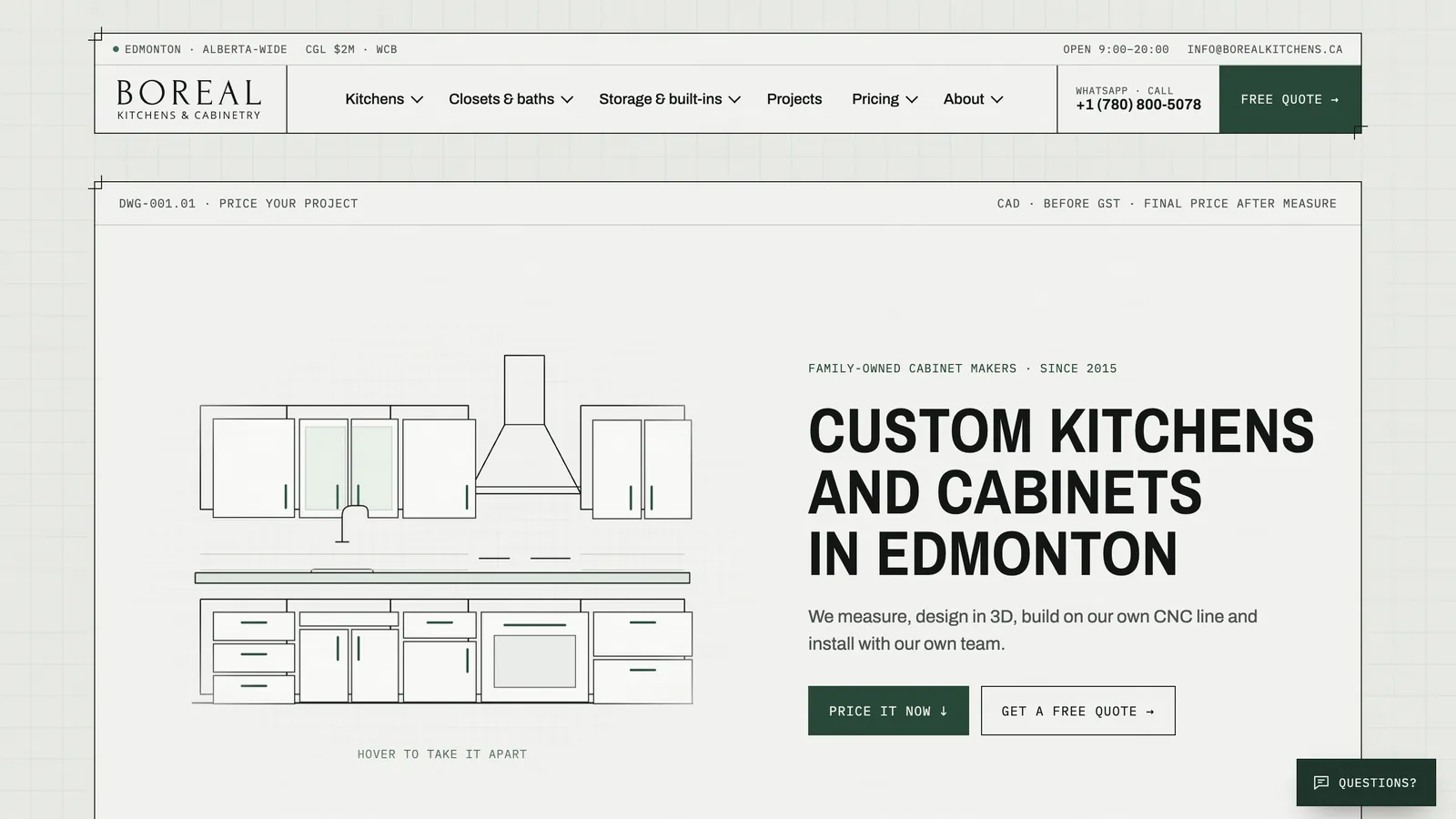
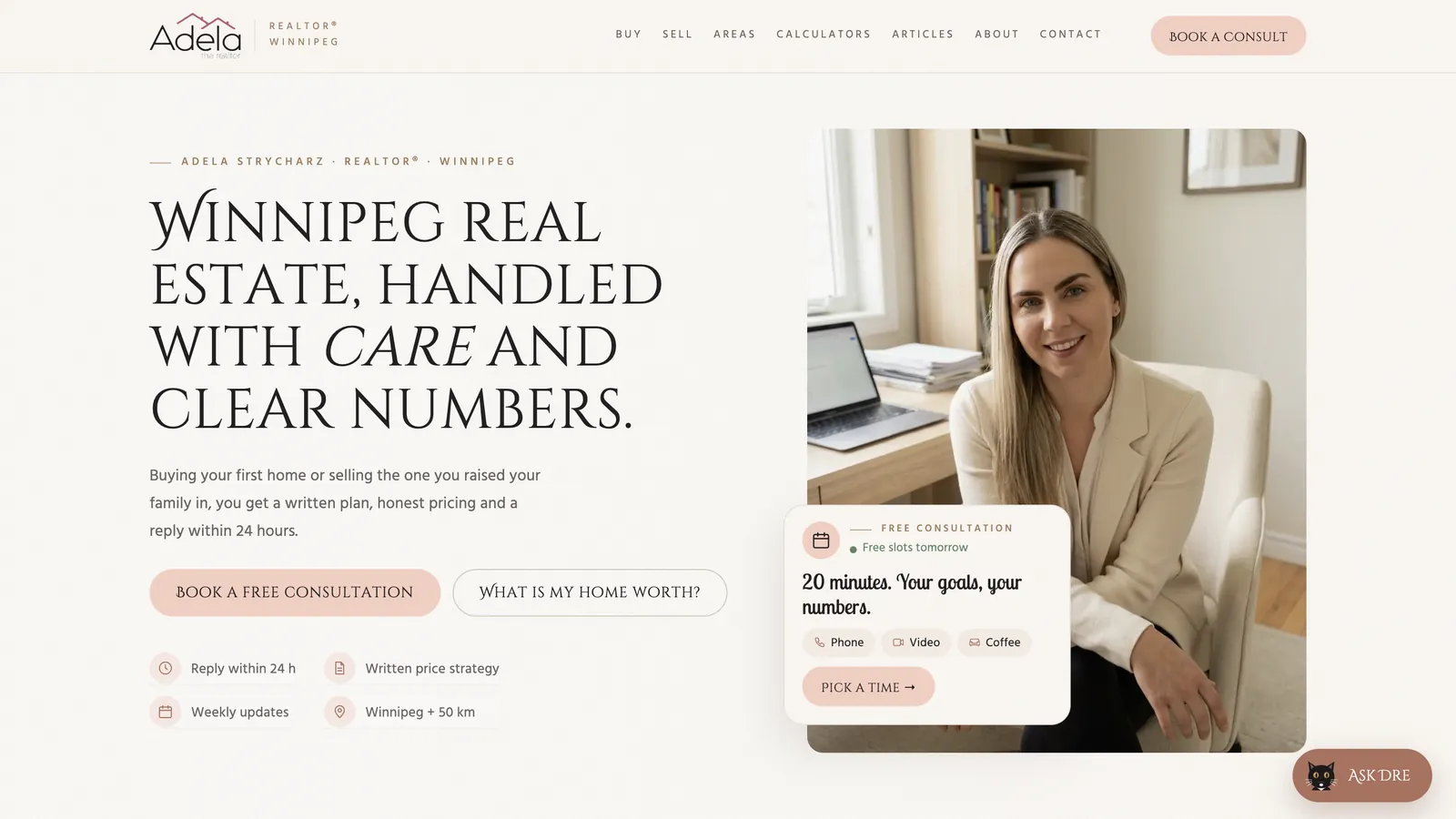


SEO content writing that sells
SEO content writing for small businesses: how to plan a page around one search, write from real experience, structure it for skimmers, and turn readers into enquiries.

SEO content writing for a small business has two jobs at once: convince Google that your page is the best answer to a specific search, and convince the person reading it to call you. Pages that only do the first get traffic and no enquiries. Pages that only do the second never get seen. The way to do both is simpler than most guides suggest: write one page per question your customers ask, answer it more completely and more honestly than competitors, and make the next step obvious.
Below is the process I use to write service pages and articles for clients, from choosing the search to the final check.
Start with one search and one reader
Every page should have one main keyword and one clear reader. "Basement waterproofing Hamilton" is a page. "Basement waterproofing, foundation repair, sump pumps and general contracting in Hamilton and area" is four pages crammed into one, and it will rank for none of them.
Before writing, search the keyword yourself and look at what ranks. If the top results are service pages from local companies, Google wants a service page. If they're long explanations or cost guides, a sales page will struggle. Match the format to what Google already shows. For finding the right searches in the first place, see keyword research for a local business.
Get the knowledge out of the owner's head
The biggest difference between content that ranks and generic content is real experience. Google's guidelines talk about experience, expertise, authoritativeness and trust, and for a small business the practical meaning is this: write things only someone who does the work would know.
I interview owners with questions like:
- What do customers usually get wrong before they call you?
- What questions do you answer on every quote visit?
- What makes a job cost more or less?
- What would you tell a friend before they hired anyone in your trade?
- What's different about doing this work here: the climate, the housing, local rules?
Thirty minutes of answers gives more original material than a day of reading competitors' sites. A roofer who explains why ice damming is common on certain roof designs after a Canadian winter beats a page that promises "high-quality roofing solutions for every need".
A service page outline that works
| Section | What goes in it |
|---|---|
| Opening | What you do, where, and for whom, with the main keyword in the first sentence or two |
| Problems you solve | The situations that make people search, in their words |
| What's included | Concrete scope, materials, steps |
| Price | Ranges, examples or what affects the quote. Silence on price sends people to competitors who answer it |
| Process and timing | What happens after they contact you, how long it takes |
| Proof | Photos of your work, short project notes, reviews, licences where relevant |
| Questions | Four to six real questions with straight answers |
| Next step | Phone, form or booking, repeated near the top and at the end |
Not every page needs every section, but most service pages that convert have at least six of them.
Write for skimmers first
Most people don't read a web page; they scan it on a phone, looking for the one thing they need. Help them:
- Short paragraphs, two to four sentences.
- Descriptive subheadings that answer something ("How long a kitchen renovation takes"), not clever ones.
- Lists for steps and options. Tables for comparisons and prices.
- Bold sparingly, on the phrase that matters.
- The phone number and main call to action visible without scrolling.
Using the main keyword in the title, the main heading and the first paragraph is enough. After that, write naturally. Related phrases come up by themselves when you explain the topic properly.
What about AI-written content?
AI tools can help with outlines, first drafts and editing. The problem is pages written entirely by a tool from public information: they say what every other page says, with no local knowledge, no real examples and often small factual errors. Google's position is that it rewards helpful content however it's produced, but generic content isn't helpful by definition. Search results increasingly feature AI-generated summaries too, and those summaries draw on pages with specific, original information. See Google AI Overviews for small businesses.
My rule: a tool may help write, but every page must contain facts only the business could supply, and someone who knows the trade must check every claim.
Before and after
Before: "ABC Renovations offers top quality bathroom renovations. Our experienced team delivers excellent results on time and on budget. Contact us today!"
After: "Bathroom renovations in Saskatoon, from a simple tub-to-shower conversion to a full gut and rebuild. Most full bathrooms take three to four weeks once materials arrive. The biggest cost swing is whether we find water damage behind the old tile, which happens often in houses from the 1970s and 80s. Here's how we quote, with three recent examples."
The second version names the service and city, sets expectations, shows experience and gives a reason to keep reading. It's also more likely to rank, because it answers questions the first one ignores.
Articles vs service pages
Service pages sell. Articles answer questions earlier in the decision: costs, comparisons, how-tos, problems. A good article links to the matching service page at the moment the reader is ready ("If you'd rather have it done, here's how I work"). Don't let articles compete with service pages for the same buying search; give each its own job.
Keep it current
Content ages. Prices change, services change, photos look dated. Once or twice a year, review your top pages: update prices and examples, add new questions customers asked, refresh photos. Updated pages often regain positions they slowly lost. Note the date of each update so you can compare enquiries before and after in your analytics.
If writing isn't your thing, it's part of my SEO content service: I interview you, write the pages and set them up for search. For sales copy beyond SEO pages, such as ads and landing pages, see copywriting.
Check your website
in 30 seconds
The checker looks at titles, descriptions, the mobile version and data for Google. You’ll see the result right away, no email required.

12+ years in online marketing, 100+ clients. I build websites, Google Ads and Meta ads campaigns, CRMs and automations for small and mid-sized businesses. About me →
SEO content
questions
How long should an SEO page be?
As long as it takes to answer the search fully, and no longer. Most strong local service pages run 600 to 1,500 words, but word count isn't a ranking factor by itself. A 400-word page that answers everything can beat a padded 2,000-word one. Look at what ranks for your keyword and aim to be more useful, not longer.
How often should I publish new content?
For most small businesses, quality beats frequency. A few excellent service pages and one useful article a month is plenty. Publishing weekly thin posts doesn't help and can dilute your site. Updating existing pages with new information is often worth more than writing something new.
Can I copy content from manufacturers or suppliers?
You can use their specifications, but don't copy their descriptions word for word. The same text appears on hundreds of sites, so it adds nothing in Google's eyes. Rewrite in your own words and add what only you know: how you install it, which option suits local conditions, what customers usually choose.
Should every page target my city name?
Service pages, yes, if you serve a local area: mention the city and nearby areas naturally. Articles that answer general questions don't need the city in every heading. Forcing "in Winnipeg" into every sentence reads badly and doesn't improve rankings. Local relevance comes from your Google profile, address, local examples and links as much as from the text.
Hand me the interview,
I'll write the pages
Thirty to sixty minutes on Zoom with you is usually enough for me to write a strong service page in your voice. Message me with the pages you need and I'll send a plan and price.