Inbox
Buried in email
A quote request arrives on a busy Friday, gets read on a phone and is never answered.
Ads and visibility: customers who are looking for your service now or don’t know about it yet.
01 Google AdsEnquiries from people searching for your service right nowfrom $750/mo 02 Social media adsMeta, TikTok, LinkedIn: customers who are not searching yetfrom $700/mo 03 SEOHigher in Google and Maps without paying per clickfrom $1,000/mo 04 Visibility in ChatGPT and AIYour business in AI assistant answerspart of SEO 05 Amazon and marketplacesSell where customers already buywith a partnerThe place where a visit turns into an enquiry, and a system that doesn’t lose that enquiry.
01 Web designA website that turns visits into enquirieslanding from $1,300 02 Online storesCart, payments and shipping, ready for adsfrom $4,800 03 CRMNo enquiry gets lost in a phonesetup $3,400 04 Chatbots and AIThey answer customers, at night too$2,500 05 Email and SMSCustomers come back instead of forgetting youquoted individuallyPlan and tracking first, budget second. You know what works before you spend more.
01 Strategy and auditKnow where to spend the budget before you spend it$2,400 02 AnalyticsSee which ad brings in money$650 03 ConsultationsA call about your specific problem$70/h 04 Free auditA quick review and 3–5 priorities to start$0How your business looks and sounds before anyone calls you.
01 Social media managementProfiles that look like a real businesswith a partner 02 Creative and videoGraphics and videos that stop the thumbquoted individually 03 BrandingA logo and style that sets you apartwith a partner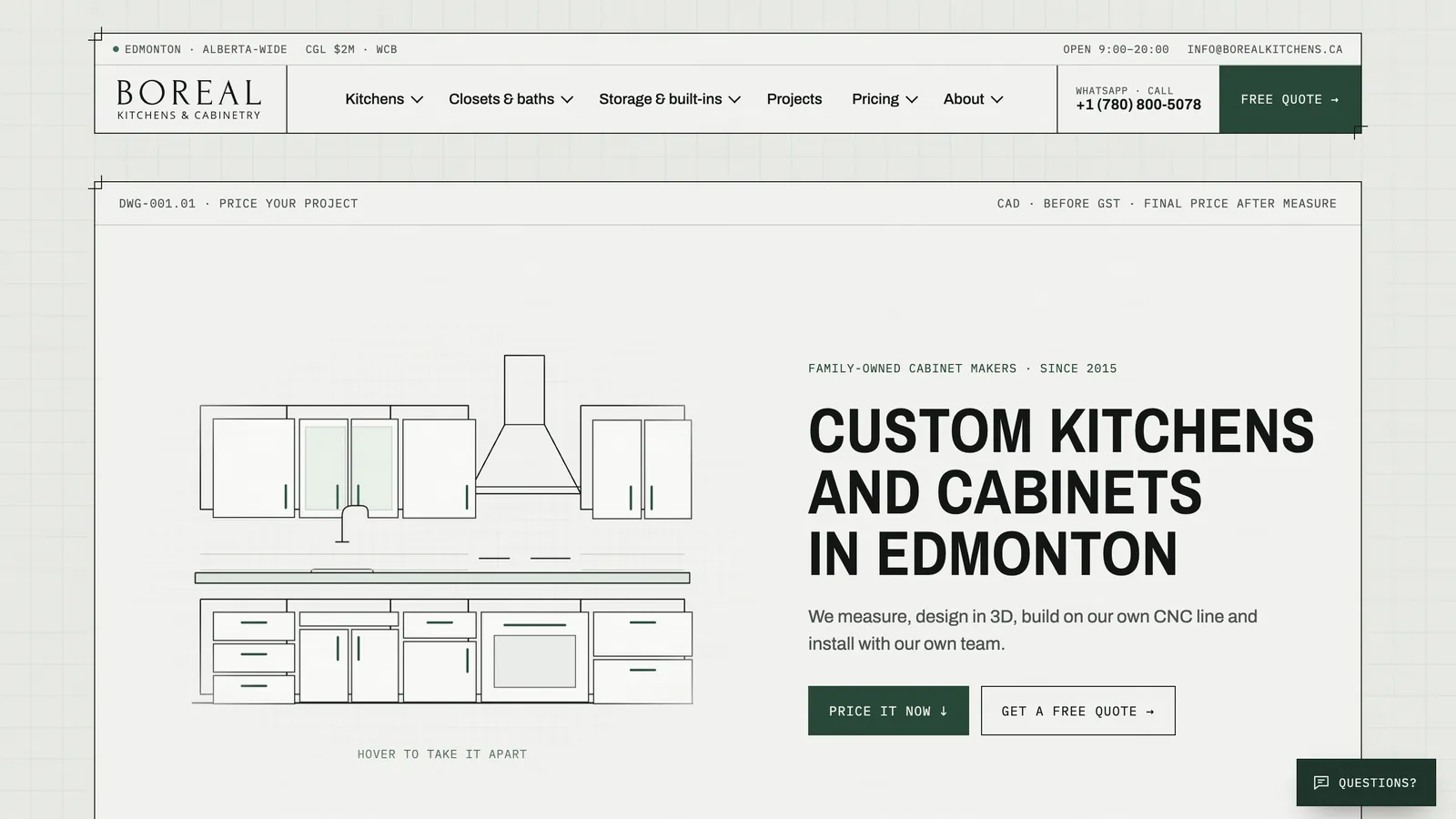 Edmonton, Canada
200 keywords on page one of Google
Boreal Kitchens
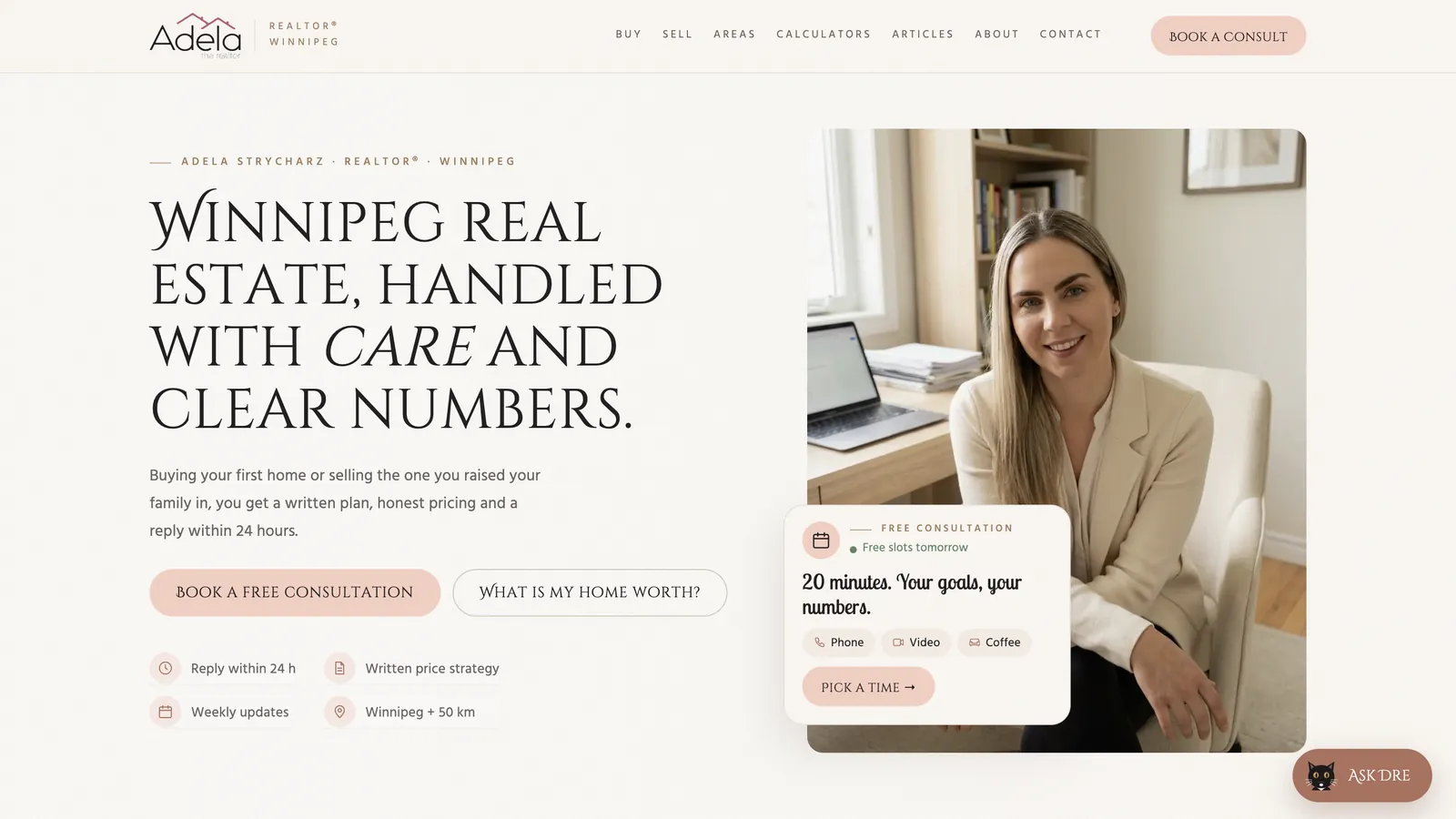 Winnipeg, Canada
up to 5 enquiries/mo from Google without ads
Adela Realtor
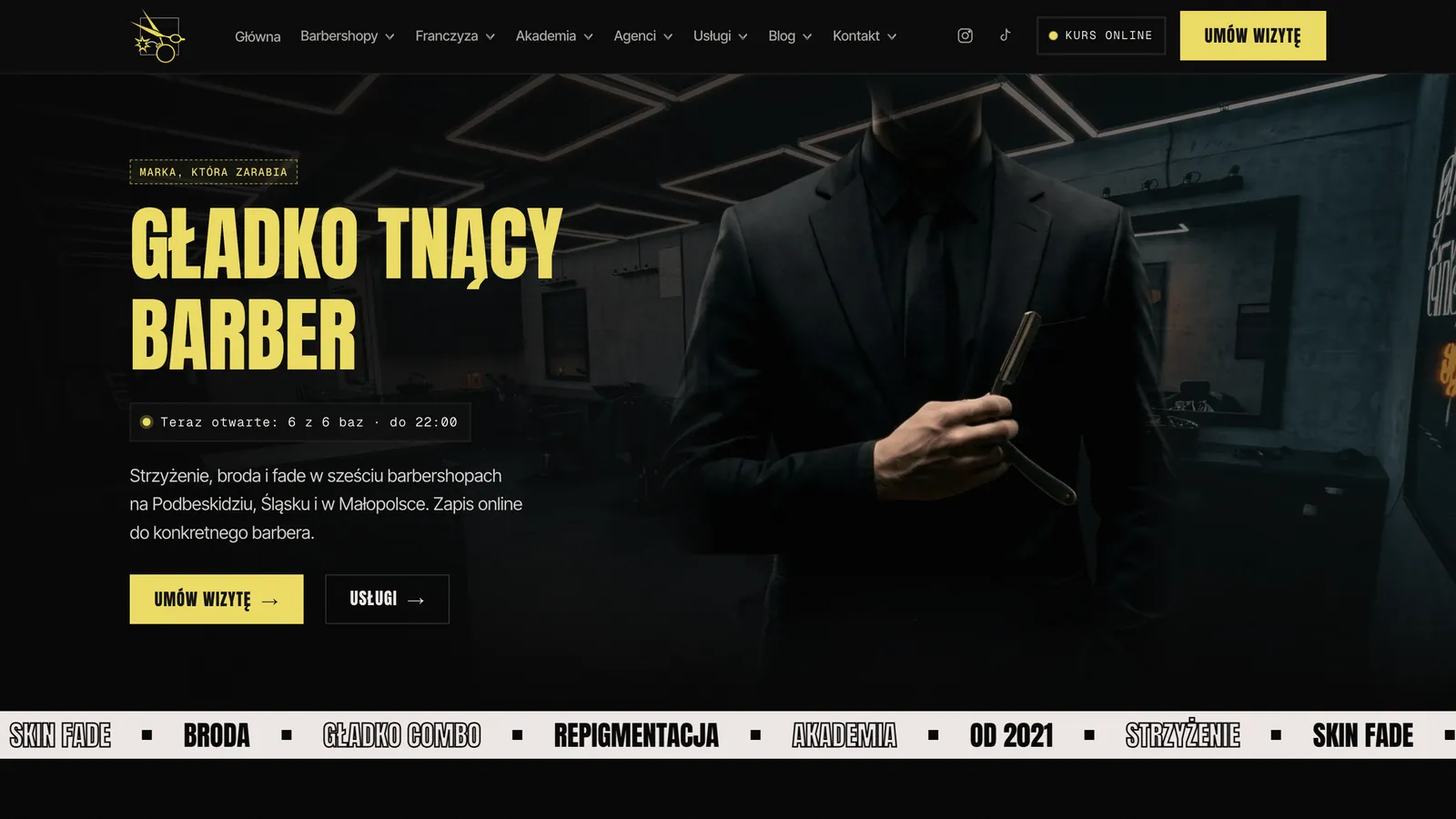 Żywiec, Poland
from 3 to 9 locations in two years
Gładko Tnący Barber
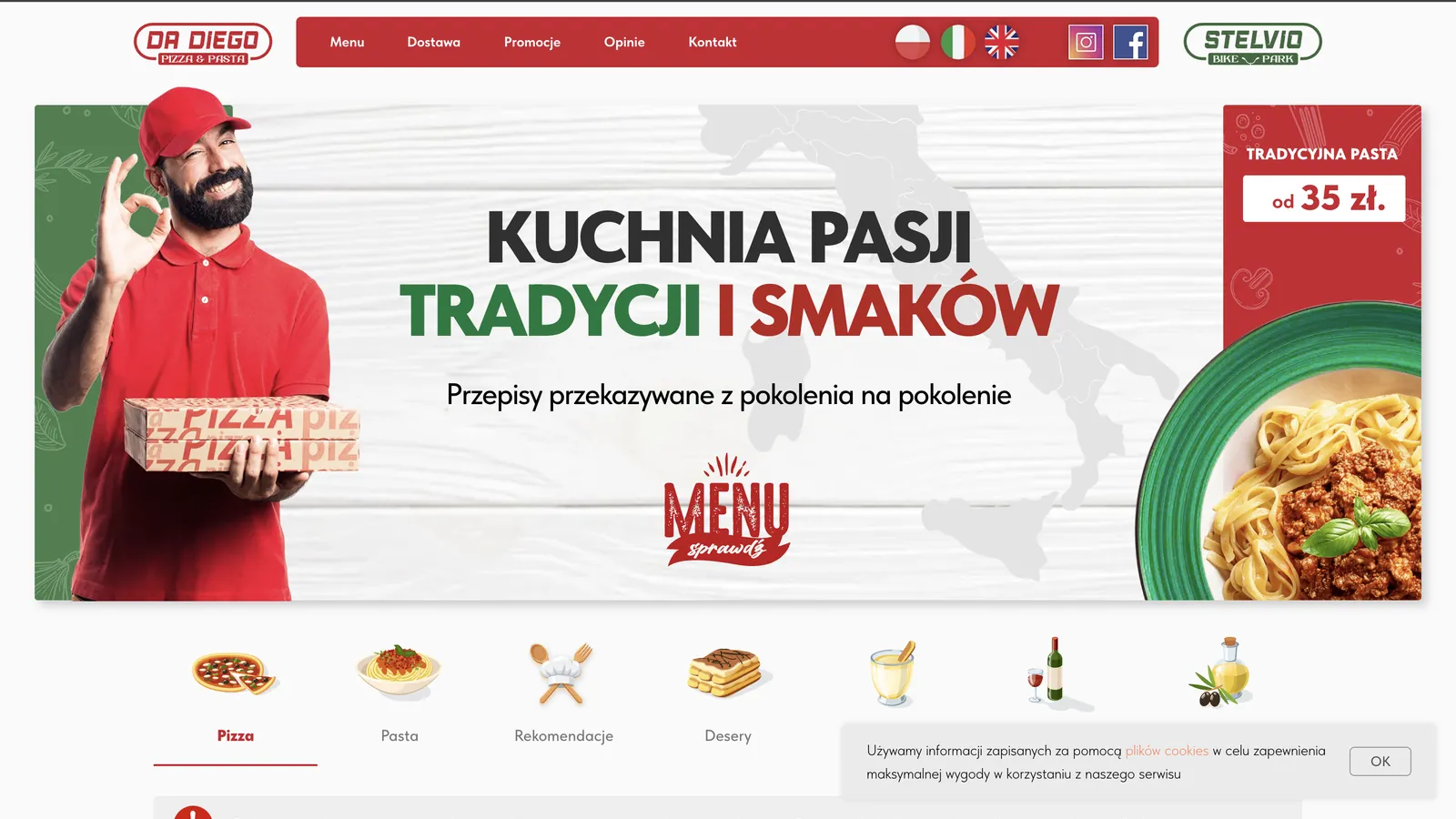 Żywiec, Poland
PLN 15 000 +/mo in delivery orders
Da Diego
A CRM for small business is one place where every enquiry lands, gets an owner and a next step, and never falls through the cracks. I set up ready-made systems or build custom ones for contractors and renovators, then connect them to your website, ads and messengers.
Free: a 30-minute call, an action plan and a price range in writing.

A quote request arrives on a busy Friday, gets read on a phone and is never answered.
Some leads on WhatsApp, some on Instagram, some on voicemail. Nobody sees the full list.
A customer asked for a price, didn't reply, and nobody checked back a week later.
You pay for Google and Meta but can't say which channel brought the jobs that paid.
The form, the message to the client and the CRM task connect into one flow, with no retyping by hand.
CRM implementations for service companies, shops, clinics and schools.
is the usual time to a working CRM, from brief to training.
businesses I've worked with over 12+ years in marketing.
of clients on long projects stay with me after launch.
Most small businesses do well with a well-configured ready-made CRM. A custom system makes sense when your process is unusual or per-user fees add up.
A standard CRM usually takes about 15 days. The deadline goes into the written agreement.
Website, ads, bots, CRM and SEO for a cabinetry company. Enquiries from all channels end up in one pipeline.
See the case study →Ads, bots, CRM and a website joined into one system, with most contracts from offices.
See the case study →CRM, booking per location, ads and a chatbot. The chain grew from 3 to 9 shops in two years.
See the case study →Final prices in Canadian dollars, paid in stages (30/40/30). CRM licence fees for ready-made systems are paid by you directly to the vendor.
HubSpot, Pipedrive or Zoho, configured for your process.
CRM setup plus a chatbot that collects and qualifies leads.
Built for your business, owned by you, no per-user fees.
| Ready-made CRM setup | Custom CRM | |
|---|---|---|
| My fee | $3,400 | $7,100 |
| Monthly licence | Per user, paid to the vendor | None; hosting agreed individually |
| Fits your process | Close, with some compromises | Exactly |
| Best for | Standard sales pipeline, 1–10 users | Unusual process, many users, special documents |
| Who owns it | Your account with the vendor | You own the code and data |
| Usual timeline | About 15 days | Fixed in the agreement after the brief |
A CRM for small business is less about software and more about habits. It answers three questions at any moment: who asked about your services, who is supposed to reply, and what happens next. When those answers live in one shared place, leads stop vanishing between an inbox, a phone and a notebook on the truck's dashboard.
In practice, a good small business CRM does a few things well. It catches every enquiry automatically, from website forms, Google Ads, Facebook lead forms, chat and messengers. It shows deals as cards moving through stages like New, Contacted, Quote sent, Won. It reminds people to follow up. And it tells you which channels bring customers who actually pay, so your ad budget goes where it works.
If two or more of these sound familiar, a CRM will likely pay for itself through leads you no longer lose. It's not magic, though. The team still has to use it, which is why I keep the setup simple and spend real time on training.
The most common failure I see isn't a bad CRM. It's a good one configured with forty fields, twelve stages and rules nobody remembers. Staff go back to their notebooks within a month. I'd rather launch with five stages and a handful of required fields, then add detail once the habit sticks.
There are two routes, and I do both myself.
CRM setup on HubSpot, Pipedrive or Zoho costs $3,400. You get a proven platform, mobile apps and regular updates from the vendor. You pay the vendor a licence, usually per user per month. For most service businesses with a standard sales process and a handful of users, this is the sensible choice.
A custom CRM costs $7,100. I build it around your exact process: your stages, your documents, your calculations. There are no per-user licences, and the code and data belong to you. It makes sense when your process doesn't fit a standard pipeline, when you'd need many paid users, or when you want the CRM merged with a booking system, quoting tool or client portal.
The comparison table above summarizes the differences, and the full breakdown is on the CRM pricing page.
A CRM gets its value from what flows into it. I connect website forms without plugins on sites I build, and through native integrations or webhooks elsewhere. Ad leads from Google and Meta land in the pipeline with their source. Chat and messenger conversations can create deals automatically through a chatbot linked to the CRM. Emails and texts can be triggered by stage changes, for instance a reminder when a quote has waited five days.
This is also where marketing gets measurable. When every deal carries its source, the monthly report can say that Google brought nine jobs worth a certain amount and Instagram brought two. That's the number that decides budgets.
A CRM holds personal information, so it falls under PIPEDA, or under Alberta's, British Columbia's or Quebec's private-sector laws where they apply. Collect what you need, explain it in your privacy policy, limit who can see it and delete what's no longer needed. Quebec's Law 25 requires a person in charge of personal information and an assessment before data is sent outside Quebec. I set up roles, permissions and retention notes with that in mind, and my article on choosing a CRM for small business in Canada goes deeper.
Fill in the CRM brief or book a free 30-minute call. I'll ask how leads reach you today, who handles them and what tools you already pay for. You get a written proposal with scope, price and deadline. Payment is in three stages, the CRM is registered in your name, and training is included.
If leads come from more than one channel, usually yes. Small teams lose leads not because they're lazy but because enquiries arrive by email, phone, Instagram and WhatsApp at once. A CRM puts them in one list with a next step and a reminder. For a very small team, a free or entry plan of a ready-made CRM is often enough.
It depends on how you sell. Pipedrive suits simple sales pipelines and teams that live on their phones. HubSpot is strong when marketing and email matter as much as sales. Zoho is flexible and often cheaper per user. When none of them fits without heavy workarounds, a custom CRM is worth considering. I explain the trade-offs on the call.
Yes. I clean and import contacts, companies and open deals from spreadsheets, old CRMs or email exports. Duplicates are merged and fields mapped, so you start with a usable list rather than a pile. Data you no longer need for business reasons is better left out, which also helps with privacy obligations.
Ready-made CRMs store data with large vendors that offer strong security, often on servers outside Canada, which you should mention in your privacy policy under PIPEDA. Quebec's Law 25 adds stricter rules for transfers outside the province. For a custom CRM, hosting is agreed individually. Access is limited to the people who need it.
You get training, a recorded walkthrough and support while the team gets used to it. Most clients then either run the CRM themselves or keep me on for ongoing improvements and reporting. There's no minimum term for ongoing work: one month's notice is enough to stop.
Ready-made CRMs usually offer French and English interfaces per user, so each person can pick. The email templates and automated messages I prepare are in English; French versions for customers in Quebec would come from your own team or translator. For a custom CRM, I build the interface in English.
Tell me how enquiries reach you now and how many people answer them. I'll reply within one business day and suggest a ready-made or custom route.
Where do your enquiries go today?