How to win back past customers
A practical plan to win back past customers: how to find lapsed customers, what to send and when, CASL limits on contacting them, and how to measure results.
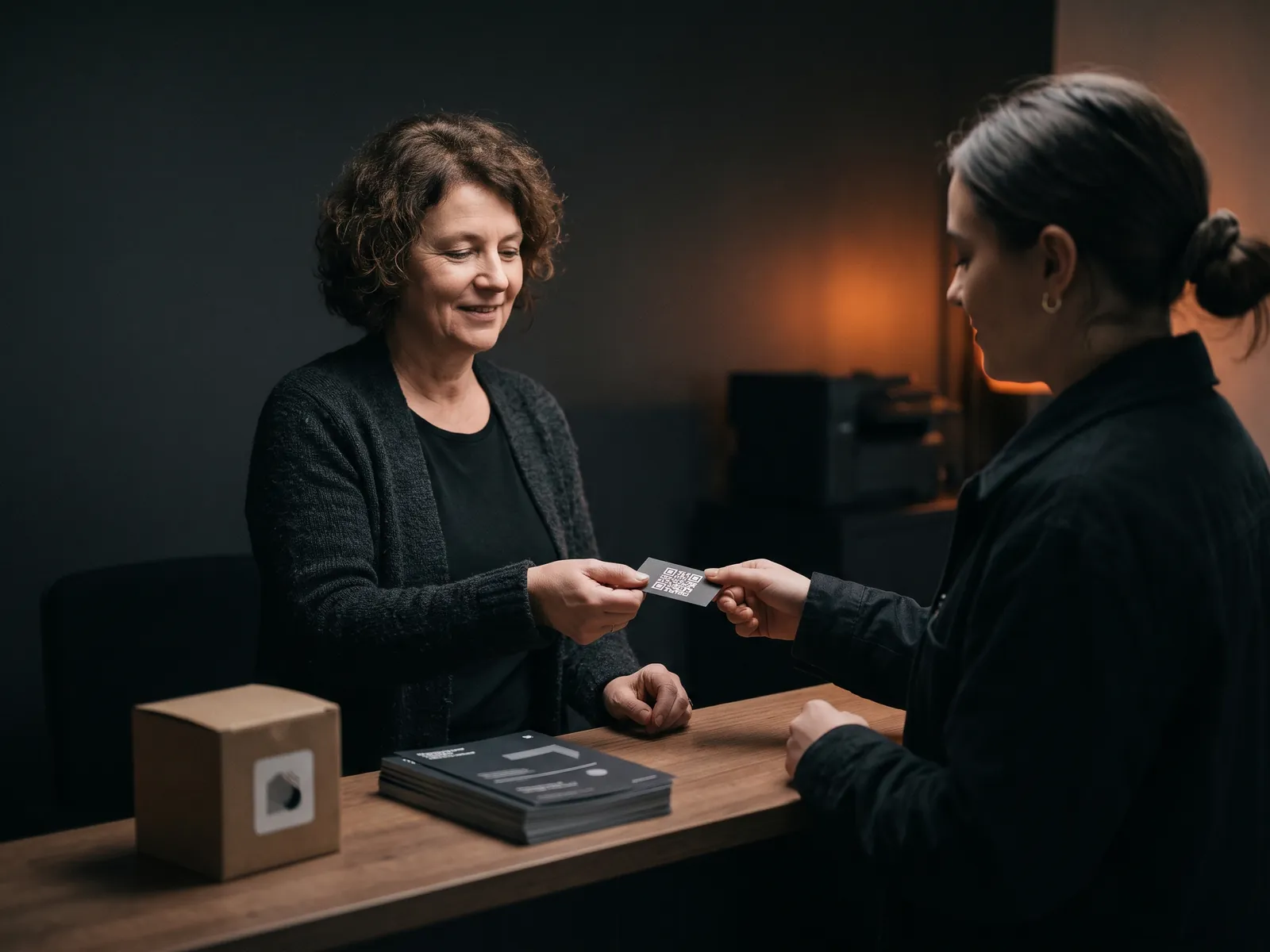
To win back past customers, first find out who has gone quiet and roughly why, then contact them with a short, personal reason to return, by the channels they agreed to hear from you on, while your consent is still valid. A simple three-message sequence over a few weeks, one email, one text and one personal touch, usually recovers more customers than any new ad campaign, because these people already know and trust you. The key is doing it systematically instead of once a year when things get slow.
Past customers are often the most profitable marketing audience a small business has. They need no convincing that you are real, they know your quality, and they cost nothing to find. Most businesses still spend almost all their marketing effort on strangers.
Step 1: define "lapsed" for your business
A lapsed customer is someone who has not bought in noticeably longer than usual. What "usual" means depends on the business:
| Business | Typical cycle | Lapsed after roughly |
|---|---|---|
| Hair salon or barber | 4 to 8 weeks | 3 months |
| Dental or physio clinic | 6 to 12 months | 15 to 18 months |
| Auto service | Seasonal tire change, oil change | One missed season |
| Residential cleaning (recurring) | Weekly or biweekly | 4 to 6 weeks without a visit |
| Restaurant or café | Varies | 2 to 3 months without an order |
| HVAC maintenance | Yearly | Missed this year's service |
These ranges are illustrations; your own data will show the real pattern. Look at when repeat customers typically come back, and set your threshold a bit beyond that.
Step 2: find them in your data
You need a list of customers with their last purchase or visit date. Sources:
- Your CRM or booking system, which can often filter by last appointment.
- Your point-of-sale or online store, which usually exports customer histories.
- Invoicing software, as a last resort.
If the data is scattered, this is a good moment to bring it into one place. My guide to CRM for small business explains how to start. Once it is in a CRM, lapsed customers can be flagged automatically every week instead of hunted down once a year.
Step 3: check consent before you send
Under CASL, a purchase creates implied consent for commercial messages for two years. After that, you generally need express consent to email or text marketing to that person. So:
- Customers with express consent (they ticked a box to receive updates): you can contact them.
- Customers who bought within the last two years: you can usually contact them under implied consent, and it is smart to invite them to give express consent now.
- Customers beyond two years without express consent: commercial emails and texts are generally off-limits, including emails asking for consent.
This is one more reason to run win-back continuously: if you wait three years, the window has closed. My article on CASL and email marketing explains consent in detail. When unsure about a specific case, check with a lawyer.
Step 4: send a three-step win-back sequence
Message 1 (email): a reason to come back. Not "we miss you", but something concrete: it is time for their seasonal service, you added a service they might need, you have openings next week, their last visit was a while ago and here is what is usually due. Include a direct link to book.
Message 2 (text, about a week later): short and easy. One or two sentences, their first name, a booking link, a way to reply. Texts are read fast, so keep it light. Only if they agreed to receive texts.
Message 3 (personal, two weeks later): a human touch. A short personal email from the owner, or a call for high-value customers. Ask whether anything went wrong. You may hear about a bad experience you never knew about, which is valuable even if they do not come back.
After the third step, stop. Mark the customer as lapsed in your CRM and include them in your regular newsletter if they consented. My newsletter ideas for local businesses can help keep those messages useful.
What to say, and what to avoid
Good reasons to return:
- "It has been about a year since your furnace check. Want me to book you before the cold arrives?"
- "I now offer evening appointments on Thursdays."
- "Your car's winter tires should go on soon; here are this month's open slots."
Things to avoid:
- Guilt ("we haven't seen you in ages!").
- Generic blasts with no link to what they bought.
- Price cuts as the only reason. They train customers to wait and cut your margin.
- Long emails. Win-back works best when it is short and specific.
Find out why they left
Some lapsed customers moved away or no longer need the service. Others had a bad experience or found a cheaper option. A one-question survey in message 3 ("What could I have done better?") or a short call tells you which. If several mention the same problem, such as long waits, hard-to-book appointments or slow replies, fixing it will keep future customers from lapsing at all.
Offline options when consent has run out
For customers beyond the CASL window, you still have choices. A printed postcard or letter to a past customer's address is not an electronic message, so CASL does not apply, although privacy law still governs how you use their details and they should be able to ask you to stop. Seasonal reminders at the counter, a note on the invoice of a current customer's family member, or a well-kept Google Business Profile that past customers find when they search again also bring people back without any consent question. And the next time they buy, ask for express consent properly so the gap does not happen again.
Measure the result
Track, per campaign:
- How many lapsed customers you contacted.
- How many booked or bought within 30 days.
- The revenue from those returns.
Compare with what you would have spent winning the same number of new customers through ads. The comparison usually makes win-back an obvious monthly routine. For context on what a new customer costs, see how to calculate customer acquisition cost.
Make it automatic
The most effective win-back is the one that runs by itself: the CRM flags a customer as lapsing, starts the sequence, creates a call task for message 3 and stops if they book. I set this up as part of email automation and CRM work, connected to your booking or sales data. Everything lives in accounts registered in your name, and you can see what each message brings back.
Let’s talk
about your business
Before the call I review your website and ads. After the call you get an action plan and a price range in writing.

12+ years in online marketing, 100+ clients. I build websites, Google Ads and Meta ads campaigns, CRMs and automations for small and mid-sized businesses. About me →
Win-back campaigns:
questions
How do I know when a customer has gone quiet?
Compare the time since their last purchase with your normal buying cycle. If most customers come back every six weeks for a haircut, someone gone for three months is lapsing. For annual services like furnace maintenance, the signal is missing this year's booking. Your CRM or booking system can flag customers automatically once you define that threshold.
Should I cut my price to bring them back?
Not necessarily, and I do not recommend making it the default. Many customers drift away because of timing, not price, and a reminder with a useful reason to return works without cutting your margin. Price cuts also teach customers to wait for the next offer. If something genuinely changed, such as a new service, longer hours or a new location, lead with that.
Can I contact a customer who bought from me three years ago?
For marketing messages, implied consent from a purchase generally lasts two years under CASL. After that, without express consent, you generally should not send commercial emails or texts, and an email asking for consent counts as commercial too. Other channels, such as a printed letter, are not covered by CASL, though privacy law still applies to how you use their details.
Want past customers
coming back on their own?
I'll help you find lapsed customers in your data and set up win-back emails, texts and CRM reminders that respect consent. Start with a free 30-minute call.